
Every Chair And Every Tip, Accounted For

Chair rent, commission pay, cash and card tips and the product shelf all move money through a shop. Alex keeps each one on the books, so your return shows what the shop really earned.

Bookkeeping For Barbershops In Homestead, FL

A barbershop takes in money from more directions than most small businesses. Renters pay for their chairs, commission barbers split the ticket, clients tip in cash and on the card reader, and the product shelf sells a little every day. When it all lands in one bank account with no notes, the books stop making sense fast.

That is usually when owners call: a year or two of statements nobody sorted, and a return that came due before anyone could say what the shop made. Barber tax preparation starts with books that match the bank, so Alex rebuilds the gaps through catch-up bookkeeping for the months that slipped, then keeps the shop current with monthly bookkeeping.

Where The Money In A Shop Gets Tangled

Most barbershop books go wrong in the same few places, and each one is fixable once it is named.

Chair Rent Booked As Haircut Sales

Rent from booth renters often gets deposited with everything else and recorded as sales. That blurs your real service income and makes the shop look busier, or slower, than it is. Rent paid to you belongs in its own account.
Commission Barbers Paid Like Renters

A barber who works your hours, charges your prices and splits each ticket with the shop is usually an employee. Paying that person without payroll for your commission barbers is one of the most common problems in a shop, and it tends to surface at the worst time.

Cash Tips With No Paper Trail

Tips your employees receive are reported to you and run through payroll and onto their W-2s. Cash tips that never get written down leave payroll short and the year-end forms wrong.

A Product Shelf Nobody Counts

Pomade, beard oil and the clippers sold at the chair add up over a year. Product purchases and product sales need their own lines, or the cost of what you sell disappears into general supplies.

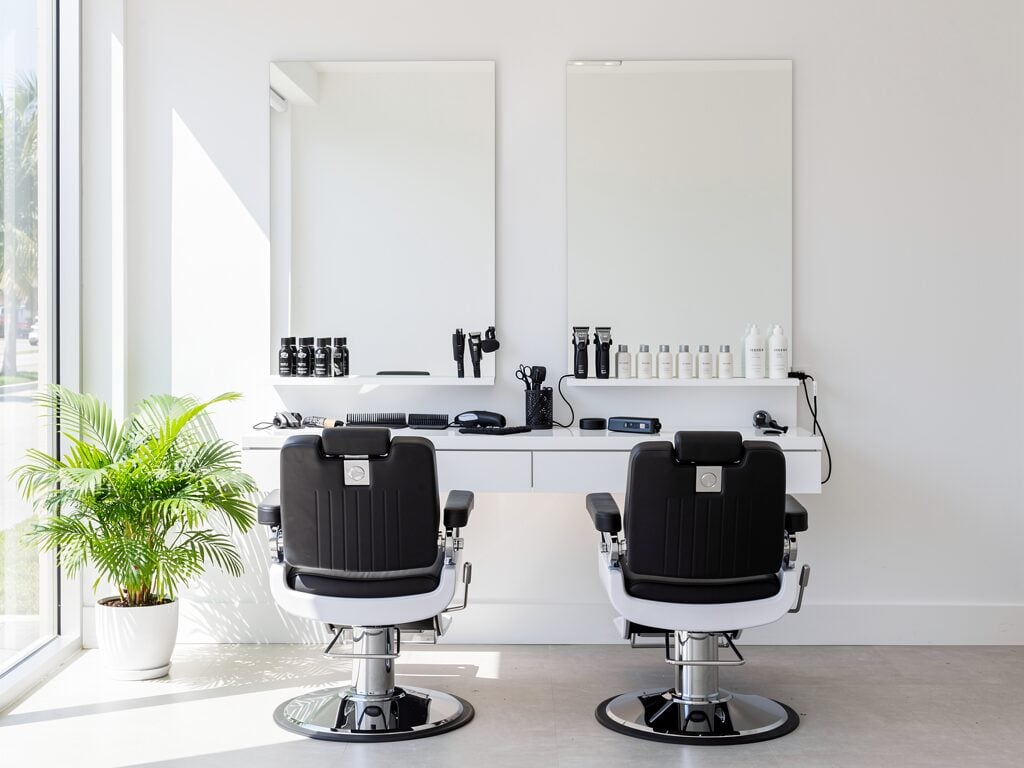
Two barber chairs in a bright South Florida barbershop

What Alex Handles For Your Shop

One office keeps the books, runs payroll and files the return, so every number agrees with the others.

  • Bank and card deposits reconciled every month in QuickBooks Online or QuickBooks Desktop
  • Separate accounts for chair rent, service income, product sales and tips
  • Payroll in Gusto for commission barbers, with reported tips included
  • A straight answer on who is a booth renter and who is an employee
  • Your Schedule C or Form 1120-S prepared from finished books and e-filed
  • Unfiled prior years prepared and filed in order

Questions Shop Owners Ask About The Books

Do I need to run payroll for barbers who work on commission?

Usually, yes. A barber who works the hours you set, charges your prices and splits each ticket with the shop is usually an employee. Classification depends on the facts of control and pay, so Alex looks at how your shop actually operates first. If payroll is needed, commissions and reported tips both land on the W-2.

How should I record the chair rent my renters pay me?

Chair or booth rent is income to the shop, so it goes in its own account rather than in with haircut sales. Your renters usually run their own businesses and file their own Schedule C. Keeping the rent separate keeps your service income accurate and shows what the chairs actually bring in each month.

My cash tips were never written down. Can the books still be fixed?

Yes. Catch-up work starts with what exists: bank deposits, card processor reports, appointment records and whatever notes you kept. The missing months get rebuilt in order, and from then on tips are recorded each pay period so payroll and the year-end forms come out right.

I haven't filed for the shop in a couple of years. Where do I start?

Bring the last return you filed and any bank statements you have. The IRS generally expects the last six years of returns to be filed for an account to be in good standing. Filing late beats not filing, because the failure-to-file penalty usually grows faster than the failure-to-pay penalty, so Alex prepares each missing year in order.

Bring The Shop's Paperwork, However It Looks

Tell Alex how your chairs, tips and payroll work today. You'll leave knowing what it takes to get the shop's books and returns current.